Inhoudsopgave
Lees alles wat u moet weten over: Strategie aan tafel: Hoe u de perfecte tafelschikking plant
We bespreken de voor- en nadelen van verschillende tafelvormen, geven tips over het groeperen van gasten en vertellen u hoe u omgaat met lastige familieconstellaties. Leer hoe u de 'single-tafel' vermijdt en in plaats daarvan een dynamiek creëert die uw feest inspireert. Van de eerste schets tot het uiteindelijke tafelplan – we laten geen detail onbesproken.
1. De last van het kiezen: Welke tafelvorm past bij uw locatie?
Voordat u namen op kaartjes gaat schrijven, moet u de omstandigheden van uw locatie kennen. De tafelvorm bepaalt in hoge mate de dynamiek in de ruimte:
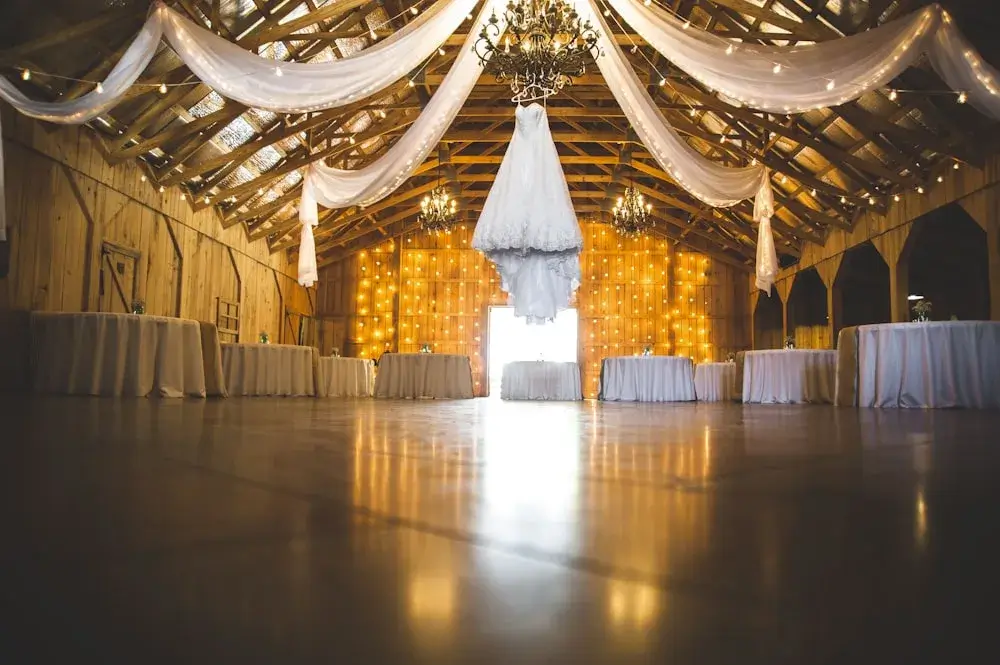
- Ronde tafels: De klassieker. Ze ogen stijlvol en maken gesprekken in de hele kring mogelijk (meestal 8-10 personen). Het nadeel: u spreekt vaak alleen met uw directe buren.
- Lange tafels (banketstijl): Zeer modern en communicatief. Ze creëren een gevoel van saamhorigheid en kunnen prachtig gedecoreerd worden. Hier spreekt u gemakkelijk met de persoon tegenover u en beide buren.
- U-vorm of E-vorm: Ideaal voor kleinere bruiloften of als het bruidspaar alle gasten in het zicht wilt hebben.
Zorg voor voldoende ruimte tussen de tafels voor het bedienend personeel en de gasten die tussendoor willen opstaan. Niets is storender dan constant geschuif met stoelen om iemand door te laten. Meet de ruimte nauwkeurig op of gebruik digitale ruimteplanners om verschillende opstellingen vooraf te testen.
Een goede tafelschikking is als een onzichtbare gastheer die de juiste mensen bij elkaar brengt.
2. Groepsdynamiek: wie past bij wie?
De sleutel tot een goede sfeer is de mix. Groepeer gasten op basis van overeenkomsten: leeftijd, hobby's, beroep of levensfase. Vaak is het verstandig om vaste vriendengroepen of familietakken bij elkaar te zetten, omdat zij elkaar al kennen en voor een goede basissfeer zorgen.
Maar durf ook te experimenteren. Een of twee nieuwe gezichten aan een tafel kunnen het gesprek levendig maken. Belangrijk: vermijd de klassieke restjestafel of vrijgezellentafel. Dat geeft de betrokken gasten het gevoel er niet toe te doen. Verdeel alleenstaanden liever over stellen en groepen die open en spraakzaam zijn. Let ook op interesses: zet de feestbeesten dichter bij de dansvloer en oudere gasten of gezinnen met baby's wat verder van de speakers vandaan.
3. Lastige constellaties: diplomatie aan de bruiloftstafel
Bijna elke familie heeft haar kleine drama's. Gescheiden ouders die niet met elkaar praten of ruziënde familieleden kunnen de planning bemoeilijken. Hier is diplomatie nodig.
Praat vooraf open met de betrokkenen, als dat mogelijk is. Is de spanning te groot, zet deze mensen dan aan verschillende tafels die ruimtelijk van elkaar gescheiden zijn. Het doel is stress voor u en uw gasten te voorkomen. Het is uw dag, en niemand hoort zijn meningsverschillen op uw bruiloft uit te vechten. Een neutrale buffer tussen zulke mensen – bijvoorbeeld gemeenschappelijke vrienden of niet-betrokken familieleden – kan wonderen doen. Richt u op een omgeving waarin iedereen zich gerespecteerd en op zijn gemak voelt.
4. Digitale tafelschikking versus papierwerk
Vergeet post-its op een groot vel papier. De gastenlijst verandert vaak tot op het laatste moment (afzeggingen door ziekte en dergelijke). Een digitale tafelschikking is hier onverslaanbaar.
Bij SavePaper.work koppelt u uw gastenlijst rechtstreeks aan de tafelschikking. Sleep gasten eenvoudig naar hun plaats. Zo ziet u meteen waar nog plaatsen vrij zijn en welke tafel al overboekt is – ook over meerdere niveaus, want voor het balkon, het terras of de tent maakt u eigen zones aan. Een groot voordeel: het afgeronde plan exporteert u direct als pdf en stuurt u naar uw bloemist (voor de tafeldecoratie) of de catering (voor maaltijdwensen en allergieën). Wijzigingen zijn met één klik gedaan, zonder dat u alles opnieuw hoeft te tekenen. Dat scheelt kostbare uren in de drukste fase van de planning. Hoe dat er in detail uitziet – van eigen zones en de actuele bezetting tot het 3D-aanzicht van de zaal – laat het overzicht van de functies van de trouwwebsite zien.
5. De laatste hand: naamkaartjes en tafelschikkingsbord
Als het plan staat, moet het aan de gasten worden gecommuniceerd. Een mooi tafelschikkingsbord bij de ingang van de zaal is een must. Het voorkomt het klassieke ronddwalen tussen de tafels.
Sorteer de namen op het grote bord alfabetisch – dat lezen gasten veel sneller dan een indeling op tafelnummer. De naamkaartjes zelf moeten goed leesbaar zijn en bij de rest van het ontwerp passen. Heeft u kinderen, dan kunt u hun namen met een klein symbool markeren. Overweeg ook of u tafelnamen wilt gebruiken in plaats van nummers – dat is persoonlijker. Of het nu reisbestemmingen, favoriete films of belangrijke momenten uit uw relatie zijn – tafelnamen zijn een mooi gespreksonderwerp voor gasten die elkaar nog niet kennen. Maak van de gelegenheid gebruik om uw trouwwebsite met RSVP helemaal naar wens in te richten.
De perfecte tafelschikking is een puzzel die geduld vraagt, maar als het laatste stukje past, is de beloning een uitgelaten en vrolijk feest. Vertrouw op uw gevoel voor uw vrienden en familie en gebruik de digitale mogelijkheden om flexibel te blijven. Leg uw definitieve plan vast in uw SavePaper-archief, zodat ook jaren later nog duidelijk is wie er bij dit onvergetelijke diner naast wie zat. Wij wensen u een harmonieuze planning en enthousiaste gasten aan elke tafel!
Plant u uw droomhuwelijk?
Maak in enkele minuten uw eigen trouwwebsite – met RSVP-functie, fotogalerij en meer.